What we have come to love

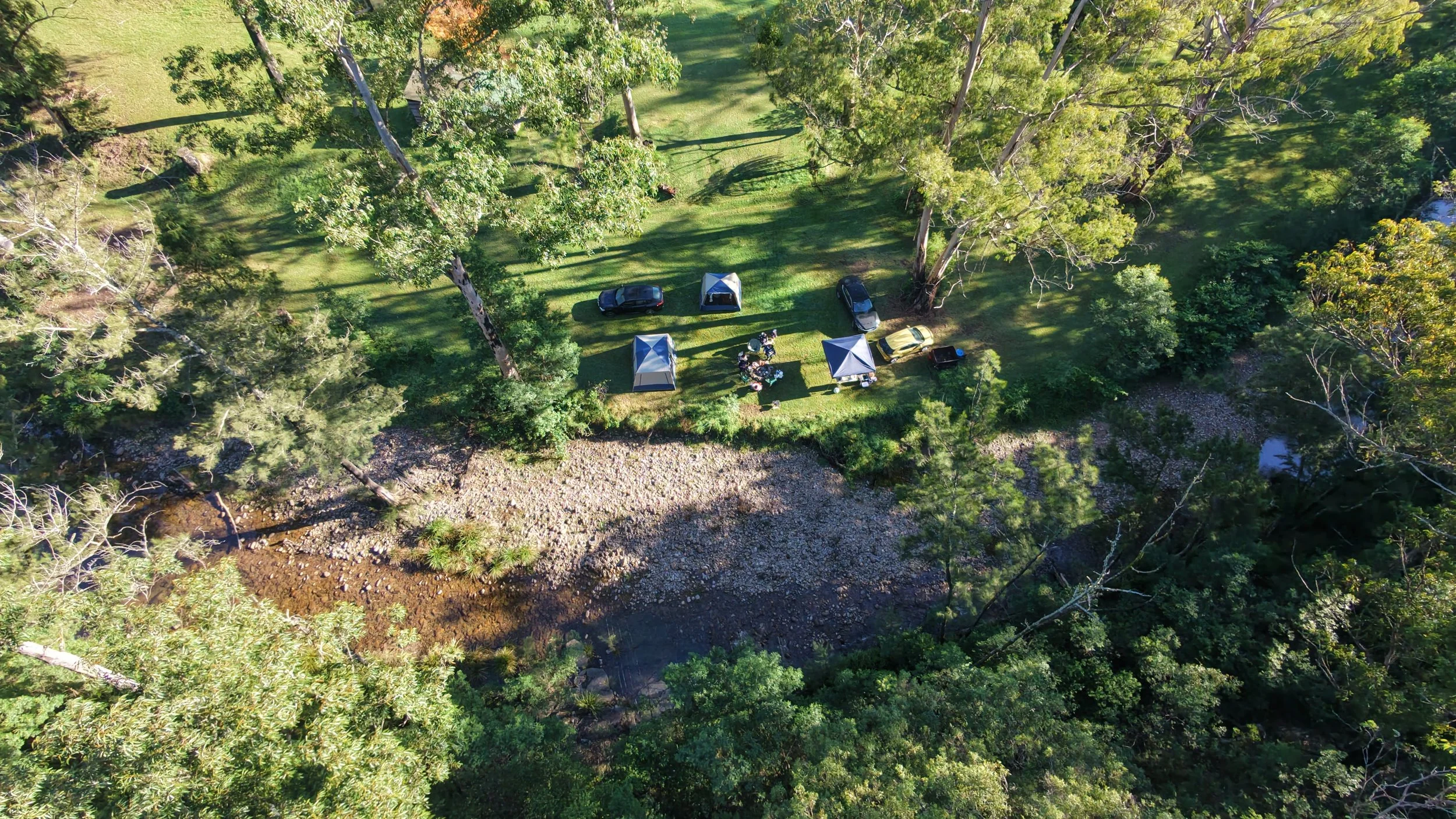
The first thing you notice is not the view. It is the absence of everything else. No neighbouring vans close enough to hear their breakfast radio. No queue for a powered site. Just the moving sound of water, the scratch of birds in the trees and enough room to set down your weekend properly. That is the appeal of private creekside camping NSW travellers are increasingly looking for: space that feels genuinely separate from ordinary life.

For people coming from Canberra, the coast or regional NSW, a creekside stay can be less about filling an itinerary and more about leaving one behind. You arrive, make camp, take the dog for a wander, put the billy on and let the afternoon become whatever it needs to be.

What makes private creekside camping in NSW different?

A private camping stay is not simply a campground with fewer people in it. It is a different rhythm. Low-density sites mean there is room for children to roam within sight, for friends to sit around a fire without worrying about the next campsite, and for couples to have a quiet morning before the day begins.

Creekside settings add their own kind of atmosphere. Water draws life to the property: birdsong early in the day, changing light on the banks, cool air beneath trees and the gentle soundtrack that makes an afternoon nap feel entirely reasonable. Depending on the season, a creek may be lively and running or quieter and more delicate. Both are part of being close to a natural waterway rather than a landscaped holiday park.

Privacy also comes with a shared responsibility. Rural camping is best suited to guests who are comfortable being self-reliant, respectful of boundaries and prepared to leave the site as gently as they found it. It is not about perfection or roughing it for the sake of it. It is about having the practical basics covered so there is more time for the good stuff.

Choose the kind of quiet you need

Before booking a camping escape, it helps to be honest about what rest looks like for you. Some travellers want a simple tent setup and a few slow days outdoors. Others love the idea of creek and forest, but would rather finish the evening with a proper bed, private bathroom and air-conditioning.

Camping suits people who enjoy setting up their own little base. Bring the gear you trust, cook under the awning, read by torchlight and wake with the light. Spacious sites can make this especially good for a young family, a couple travelling with a dog, or a small group of friends who want to be together without being crowded.

An off-grid cabin is another way to experience the same landscape, with more creature comforts at hand. It can be the right choice if the weather is uncertain, if you are travelling light, or if you want a restorative weekend without packing the car to the roof. The trade-off is simple: camping gives you the immediacy of sleeping outdoors; a cabin gives you the ease of a sheltered retreat.

At Riverdell in Currowan, between Braidwood and Batemans Bay, the setting is designed around this choice. The property has spacious creekside campsites spread across 28 acres, alongside a private tiny-home cabin for two. The point is not to squeeze as many stays as possible into the landscape. It is to leave room for the creek, the trees and each guest’s own version of a quiet weekend.

Plan for comfort, not over-planning

The best private camping trips are usually the ones with a little preparation and plenty of unclaimed time. Pack for the conditions, rather than the fantasy. The Southern Tablelands and south coast hinterland can offer warm days, crisp nights and quick weather changes, even across a single weekend.

A reliable sleeping setup, layered clothing, rain cover and a camp chair you actually like using will go further than a car full of novelty gear. Add a torch, insect repellent, rubbish bags, a first-aid kit and enough drinking water for your stay. If you are travelling with children, simple things tend to hold their attention longest: creekside pebble hunting, cards at the camp table, a nature book and a torch walk with an adult.

Creek water is part of the landscape, not automatically drinking water. Where water is untreated, bring potable water or treat water appropriately before drinking, cooking or brushing teeth. This is not a drawback so much as a useful reminder that a nature stay asks you to participate a little more carefully.

Food can be equally uncomplicated. Prepare one or two easy meals before you leave, then bring good bread, fruit, coffee and something comforting for the first night. A slow breakfast outdoors often becomes the highlight of the trip, especially when there is nowhere you need to be afterwards.

Fire is a privilege, not a promise

A campfire can turn a cool evening into the memory everyone takes home, but it always depends on conditions and local restrictions. Total fire bans, dry weather, wind and property rules may mean fires are not permitted. Check before you arrive and have a no-fire dinner plan ready, such as a gas cooker where allowed.

When fires are permitted, keep them contained, modest and attended. Never collect fallen timber unless the property specifically allows it, and make sure the fire is fully out before bed or departure. The creek and forest feel peaceful because they are living systems worth protecting.

Bring the dog, bring good manners

For many people, a weekend away is not complete without the dog in the back seat. Private, nature-based camping can be a wonderful fit for pets that enjoy new smells, unhurried walks and settling beside the camp chair.

It still takes thoughtful handling. Keep dogs leashed where required, pick up after them, prevent barking from carrying across the property and be mindful of wildlife, livestock and other guests. A dog that is relaxed at home may be very excited by a creek, unfamiliar scents and open country. Bring water, a long lead if appropriate, bedding and a way to keep them safely close at night.

Good pet etiquette protects the very thing people come for: a calm place where everyone can breathe out.

Let the place set the pace

There is no need to manufacture a perfect creekside weekend. In fact, trying to do too much can miss the point. If you are only staying two nights, give yourself time to arrive without rushing. Set up before dark, make an easy dinner and let the first evening be quiet.

The next day might begin with coffee while mist lifts through the trees. Take a walk, visit a nearby town for supplies or a bakery treat, then come back before the afternoon disappears. Read in the shade. Sit at the water’s edge. Let the kids get dusty. Put your mobile away for an hour longer than feels natural.

On the final morning, resist the urge to turn packing up into a frantic exit. Leave enough time for one last cup of tea and a slow look around the site. Check carefully for rubbish, food scraps and tent pegs, and leave the ground ready for the next people to enjoy.

Private creekside camping is not about escaping responsibility. It is about exchanging noise and hurry for a few days of simpler attention. Pack thoughtfully, respect the land and give yourself permission to do less. The creek will keep moving, the trees will keep rustling, and you may find that is more than enough.

Next
Next

The growing farm